
What Are the Key Signs You Need Underbody Truck Hoist Installation?
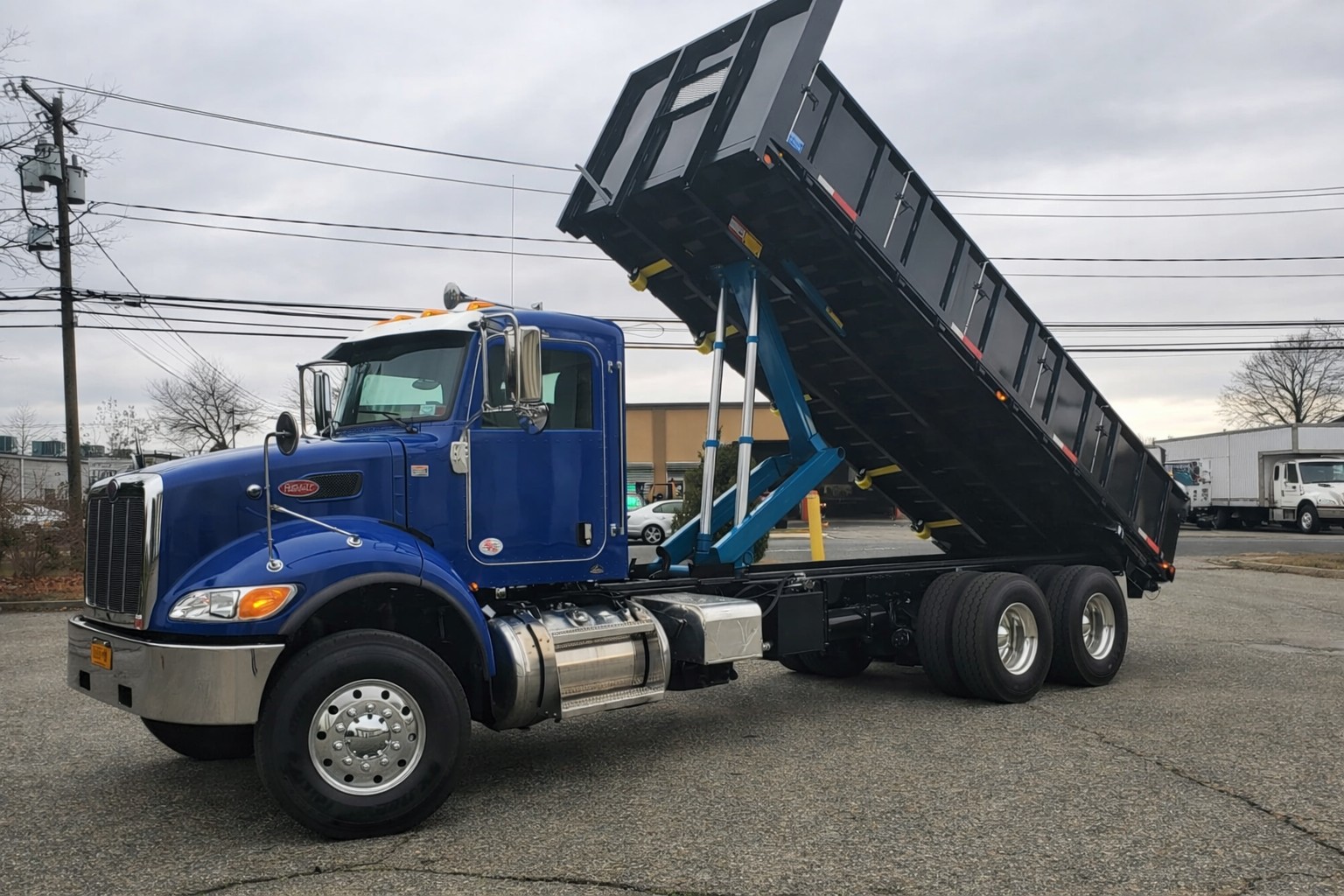
Work trucks take a beating. Daily hauling, dumping, and loading put serious strain on the body and frame. Over time, trucks start sending signals. Some are obvious. Others creep up slowly. Knowing the signs early helps avoid downtime, safety issues, and costly repairs. One upgrade many operators delay too long is underbody truck hoist installation. When the warning signs appear, waiting only makes things worse.
Is Your Dumping Process Slowing You Down?
If dumping loads feels slow or uneven, something is off. Manual unloading wastes time and energy. Even older hoist systems can lose strength and stability over years of use.
An underbody hoist lifts loads smoothly and keeps the truck balanced during dumping. If crews struggle to unload materials or spend extra time repositioning the truck, it may be time to upgrade. Efficient dumping keeps jobs moving and reduces wear on the truck bed.
Are You Seeing Uneven Lifting or Load Shifting?
Uneven lifting is more than an inconvenience. It’s a safety risk. Loads shifting mid-dump can damage the truck or cause rollovers on uneven ground.
A properly installed underbody hoist improves balance by keeping the lifting force centered. This setup lowers the truck’s center of gravity and supports controlled movement. When dumping feels shaky or unpredictable, underbody truck hoist installation becomes less of an option and more of a necessity.
Do You Rely on Manual Labor for Heavy Loads?
If workers still shovel, drag, or pry materials out of the bed, productivity takes a hit. Manual unloading also increases injury risk. Back strain and slips add up fast on busy job sites.
A hoist system turns heavy unloading into a controlled lift. Pairing this upgrade with struck liftgate installation can further streamline loading and unloading at both ends of the job. Together, these systems reduce physical strain and keep crews safer.
Is Your Truck Handling Heavy Loads More Often?
As workloads change, trucks often carry heavier materials more frequently. Gravel, debris, and equipment push limits quickly. A truck built without a hoist struggle under repeated heavy dumping.
Underbody hoists are designed for consistent, heavy use. They support dump bodies without exposing lifting components to debris or weather. If payload demands have increased, underbody truck hoist installation helps protect the truck and improve long-term performance.
Are Repairs Becoming More Frequent?
Cracks in the bed, bent hinges, or frame stress often point to improper load handling. Trucks not designed for repeated dumping suffer over time.
Installing an underbody hoist reduces stress on the bed and frame by lifting evenly. This helps extend the life of the truck body. Fewer repairs mean more uptime and lower operating costs.
Does Your Truck Need Better Job Site Versatility?
Modern job sites demand flexibility. One day you haul materials. The next, you dump debris. Trucks without proper lifting systems struggle to keep up.
A hoist system adds versatility without cluttering the truck’s exterior. When combined with struck liftgate installation, trucks handle both loading and dumping with ease. This setup supports a wide range of work without slowing crews down.
Are You Planning Long-Term Fleet Use?
Trucks meant for short-term use might survive without upgrades. Fleet vehicles working year after year need more support.
Underbody hoists are built for durability and long service life. They stay protected beneath the bed and require less exposure-related maintenance. Fleets investing in underbody truck hoist installation often see better resale value and longer vehicle lifespan.
Key Situations Where a Hoist Upgrade Makes Sense
There are moments when the decision becomes clear. A hoist upgrade fits best when:
- Loads are dumped daily or weekly
- Manual unloading causes delays
- Safety concerns increase on job sites
- The truck frame shows stress from dumping
- Productivity drops during unloading
Recognizing these signs early prevents bigger problems later.
How Does Professional Installation Make a Difference?
Not all installations are equal. A proper setup matches the hoist to the truck’s frame, axle rating, and bed size. Hydraulic lines, controls, and mounting points must work together.
Read More: How Professional Panel Repair Helps Extend the Life of Your Commercial Truck?
Professional underbody truck hoist installation ensures smooth lifting and long-term reliability. When paired with struck liftgate installation, trucks gain full loading and unloading control from start to finish.
Frequently Asked Questions
- What is the main benefit of installing a liftgate on a work truck?
A liftgate reduces manual lifting and speeds up loading. It helps protect workers from strain, keeps cargo steady, and improves daily workflow at job sites, warehouses, and tight delivery areas. - How do I know if my truck can support a liftgate system?
Truck frame strength, payload rating, and electrical setup matter. A professional inspection checks these factors to confirm compatibility and ensure the liftgate operates safely without stressing the truck. - What does an underbody hoist system do?
An underbody hoist lifts the truck bed to dump materials like gravel or debris. It stays mounted beneath the bed, helping maintain balance while delivering smooth and controlled lifting power. - Is an underbody hoist better than other hoist styles?
Underbody hoists offer better stability and protection from debris. They work well for frequent dumping jobs and keep the truck’s center of gravity lower during lifting operations. - How long does liftgate or hoist installation usually take?
Most installations take one to two days. Time depends on truck type, body style, and system complexity. Proper testing and safety checks follow before the truck returns to service. - Do these systems require regular maintenance?
Yes. Routine checks of hydraulics, wiring, and mounting points help prevent breakdowns. Simple maintenance keeps the equipment reliable and extends its working life. - Can liftgates and hoists be customized for specific jobs?
Absolutely. Platform size, lift capacity, control placement, and hoist power can be matched to the truck’s daily tasks, improving efficiency and reducing unnecessary wear. - Are these upgrades worth the investment for small fleets?
Yes. Liftgates and hoists save time, reduce labor strain, and cut downtime. Over time, the efficiency gains often outweigh the upfront cost for small fleets and single-truck operators.
Talk to a Truck Body Expert Today
For trucks built to work without shortcuts, trust Best Truck Body & Trailer Repair for precision installation and dependable service. Their team handles liftgates and hoists with care, skill, and real-world experience. From single trucks to full fleets, they deliver solutions designed for long days, heavy loads, and steady performance you can rely on.
Address:
Call for Free Estimate
707-953-9742Hours:
Monday - Friday: 8:00 AM - 4:30 PM
Saturday and Sunday: Closed

Copyright © 2022 - 2026 Best Truck Body | All Rights Reserved
