
How to Plan an Underbody Truck Hoist Installation
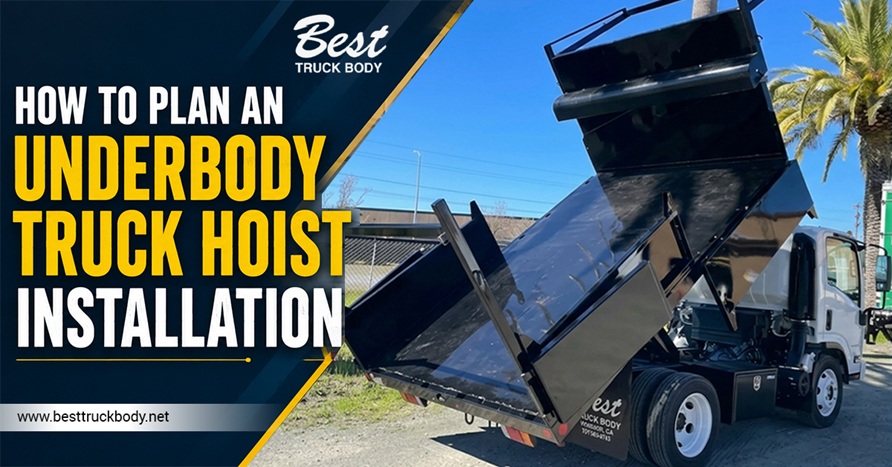
Planning an Underbody Truck Hoist Installation starts with matching the hoist to the truck, body, load, and daily work. A proper setup needs enough lifting power, suitable mounting space, and a hydraulic system that works well with the vehicle. It also needs to fit within the truck's weight limits. Before work begins, we look at the truck chassis, dump body size, expected load, hydraulic needs, and available space under the body. Good planning helps prevent fit issues and costly changes later. It can also make dumping smoother and help the truck handle daily work with less strain.
What Does an Underbody Hoist Do?
An underbody hoist is a hydraulic lifting system mounted below a truck body. It raises the body so loose material can slide out.
This can be useful for construction, landscaping, hauling, and other work that involves dirt, gravel, debris, or similar loads.
The system can save time during unloading. It can also reduce the need for workers to remove material by hand.
Why Does the Truck Need to Be Checked First?
Every truck has different dimensions and weight limits. A hoist that works well on one truck may not suit another.
We start by looking at the chassis, body size, available space, axle setup, and intended use.
The truck's payload also matters. The body, hoist, equipment, and cargo all add weight. The complete setup needs to stay within the vehicle's limits.
Ignoring this step can lead to poor fit or unnecessary stress on the truck.
How Do You Choose the Right Hoist Size?
Hoist size should match the dump body and the loads it will handle.
A light duty truck used for small landscaping jobs may not need the same lifting system as a commercial truck hauling heavy construction material.
The expected load is one of the first things to consider. Load type matters too.
Loose soil, gravel, demolition debris, and other materials can behave differently during dumping. The hoist needs enough capacity for the intended application.
What Hydraulic System Does the Truck Need?
The hydraulic system powers the lifting action. It needs to work with the truck and hoist.
Important details include the hydraulic pump, fluid flow, pressure, control system, hoses, fittings, and power source.
The system should provide smooth lifting and lowering. Hydraulic parts should also be routed carefully to reduce the chance of damage during normal truck use.
Proper setup matters here. A small issue with a hose, fitting, or connection can affect the entire system.
How Does the Dump Body Affect Hoist Choice?
The dump body and hoist need to work as one system.
Body dimensions, weight, pivot location, mounting points, and lifting angle all affect performance.
For example, a larger body carrying heavy material may require a different setup from a smaller body used for light loads.
The way the truck is loaded also matters. Uneven loading can place extra stress on the lifting system.
What Should Be Checked Before Installation?
Before installation, it helps to review the truck from top to bottom.
These are the key areas we consider:
- Truck chassis: We check the available mounting area and the condition of the frame before planning the setup.
- Body dimensions: We match the hoist to the size, weight, and design of the dump body.
- Load needs: We consider the type and weight of material the truck will carry during normal work.
- Hydraulic parts: We review the pump, controls, hoses, and fittings for proper system compatibility.
- Clearance: We make sure moving parts have enough room to operate without hitting nearby components.
This check can reveal problems before installation begins.
How Do Utility Trucks Benefit From Proper Planning?
Not every work truck needs a dump body. Some need organized storage and quick access to tools.
Utility Service Truck Bodies can be built around the needs of field workers. They can include storage compartments, toolboxes, racks, and other features that keep equipment secure and organized.
For a plumbing, electrical, construction, or utility crew, this can make daily work much easier.
The same planning idea applies to hoist systems. The equipment should support the actual job rather than simply add another feature to the truck.
How Do We Approach Hoist Installation?
At Best Truck Body Trailer Repair, we work with commercial trucks that need practical body and equipment solutions.
Our services include custom fabrication, dump body repair, flatbed work, service body repair, dry box van repair, trailer repair, and liftgate repair.
When a truck needs a hoist, we consider the complete setup rather than looking at the hoist alone.
A typical planning process looks like this:
- Review the truck: We check the chassis, dimensions, weight limits, and existing equipment.
- Understand the job: We discuss what the truck carries and how often it needs to dump.
- Match the equipment: We consider the body, hoist, hydraulic system, and mounting requirements.
- Check clearances: We review the space around the hoist and nearby truck components.
- Plan the installation: The equipment is positioned for proper operation and access.
- Review the finished setup: The complete system is checked before the truck returns to regular work.
This approach helps keep the installation focused on real working conditions.
What Common Hoist Installation Problems Should You Avoid?
- Skipping the truck inspection: Choosing a hoist before checking the truck can cause fit problems. The chassis, body size, mounting area, and available space should be reviewed first.
- Looking only at lifting capacity: A hoist must work with the hydraulic system, body weight, truck capacity, and mounting points. Focusing on one factor can lead to a poor setup.
- Ignoring clearance: Parts under the body need enough room to move. Limited clearance can cause contact with other truck components during operation.
- Making repairs difficult: Hydraulic parts and working components should remain easy to reach. Good access makes future inspections, maintenance, and repairs much easier.
How Can Regular Maintenance Protect the System?
A hoist works under repeated load, so routine checks are important.
Look for hydraulic leaks, damaged hoses, loose fittings, unusual movement, and signs of wear.
The dump body should also be checked. Cracks, damaged mounts, worn hinges, and other issues can affect the lifting system.
If the truck begins to lift unevenly or makes unusual sounds, it should be inspected before the problem becomes worse.
Regular attention can help keep the system reliable and reduce unexpected downtime.
Why Does Local Truck Body Experience Matter?
Commercial trucks often face demanding conditions. They may work on construction sites, rural roads, busy city routes, or uneven ground.
That makes practical experience valuable. A truck body solution needs to work outside the shop as well as inside it.
Best Truck Body & Trailer Repair serves customers in Windsor and the surrounding Sonoma County area. The business has experience with truck bodies, trailers, custom fabrication, liftgates, dump bodies, flatbeds, and service bodies.
This broad experience helps connect the equipment choice with the truck's actual working needs.
Plan Your Truck's Next Upgrade With Us
If your truck needs a hoist, dump body repair, custom fabrication, or another commercial body solution, we can help you review the setup.
At Best Truck Body & Trailer Repair, we focus on practical solutions that fit the truck and the work it needs to handle. You can call us at 707 953 9742 to discuss your truck, its current setup, and the work you need it to do.
Frequently Asked Questions
1. What is an underbody truck hoist used for?
An underbody truck hoist raises a dump body using hydraulic power. It helps unload loose materials such as dirt, gravel, debris, and landscaping material quickly.
2. How do I choose the right hoist for my truck?
Choose a hoist based on truck size, body weight, expected payload, hydraulic system, mounting space, and intended use. A professional assessment helps confirm compatibility before installation.
3. Can a hoist be installed on an existing dump body?
Yes, a hoist may be added to an existing dump body if the truck, body, frame, mounting area, and hydraulic system are suitable for the planned installation.
4. How often should a truck hoist be inspected?
Inspect the hoist regularly, especially before heavy use. Check hoses, fittings, mounts, cylinders, and lifting movement for leaks, damage, looseness, or unusual operation.
5. Can a truck body specialist help with hoist installation?
Yes. A truck body specialist can review the chassis, dump body, hydraulic needs, clearances, and mounting points to help create a suitable and practical hoist setup.
Address:
Call for Free Estimate
707-953-9742Hours:
Monday - Friday: 8:00 AM - 4:30 PM
Saturday and Sunday: Closed

Copyright © 2022 - 2026 Best Truck Body | All Rights Reserved
